Ghana’s last wild polio case was reported in 2008. For many, that might seem like the end of the story. But in public health, victory is never final. Polio can circulate silently, often without causing visible illness, and a single missed case could threaten thousands of children. Therefore, vigilance remains essential and that can be achieved through sustained quality surveillance. Environmental Surveillance (ES), one of the cornerstones in Ghana’s fight against poliovirus.
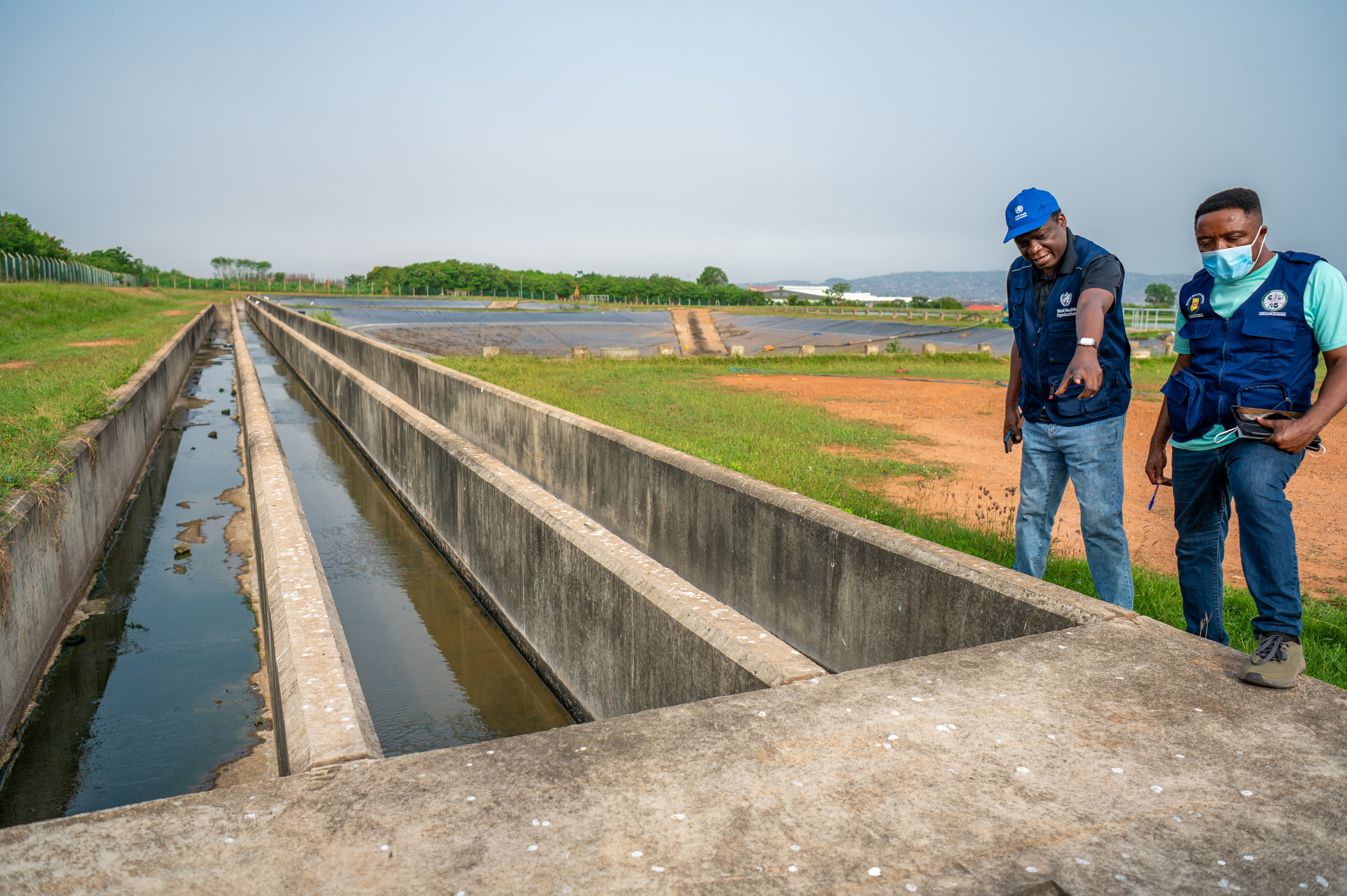
Environmental Surveillance (ES) is a public health strategy used to detect the presence of pathogens, such as viruses or bacteria, in the environment, typically in wastewater, sewage, or other community samples, before cases of disease appear in people.
Photo@Abdul-RahimNaaAbdul-Lahie/WHOGhana
Polio has long been one of the world’s most feared childhood diseases due to the irreversible disability it causes. Children under five years are most vulnerable. Over the years, Ghana faced waves of outbreaks, prompting massive immunization campaigns supported by World Health Organization (WHO) and the Global Polio Eradication Initiative (GPEI). These campaigns drastically reduced polio cases, and the country has remained free of wild poliovirus for over 15 years.
Yet the fight is not over. Even as wild poliovirus has been eliminated, variant poliovirus polioviruses (VDPVs) can emerge in areas with low immunization coverage. Polio spreads through fecal-oral transmission. Children infected with the virus who show no symptoms can still excrete the virus for weeks. In such scenarios, early detection is critical and that is the primary role of Environmental Surveillance.
Yet the fight is not over. Even as wild poliovirus has been eliminated, variant poliovirus polioviruses (VDPVs) can emerge in areas with low immunization coverage. Polio spreads through fecal-oral transmission. Children infected with the virus who show no symptoms can still excrete the virus for weeks. In such scenarios, early detection is critical and that is the primary role of Environmental Surveillance.
Photo@Abdul-RahimNaaAbdul-Lahie/WHOGhana
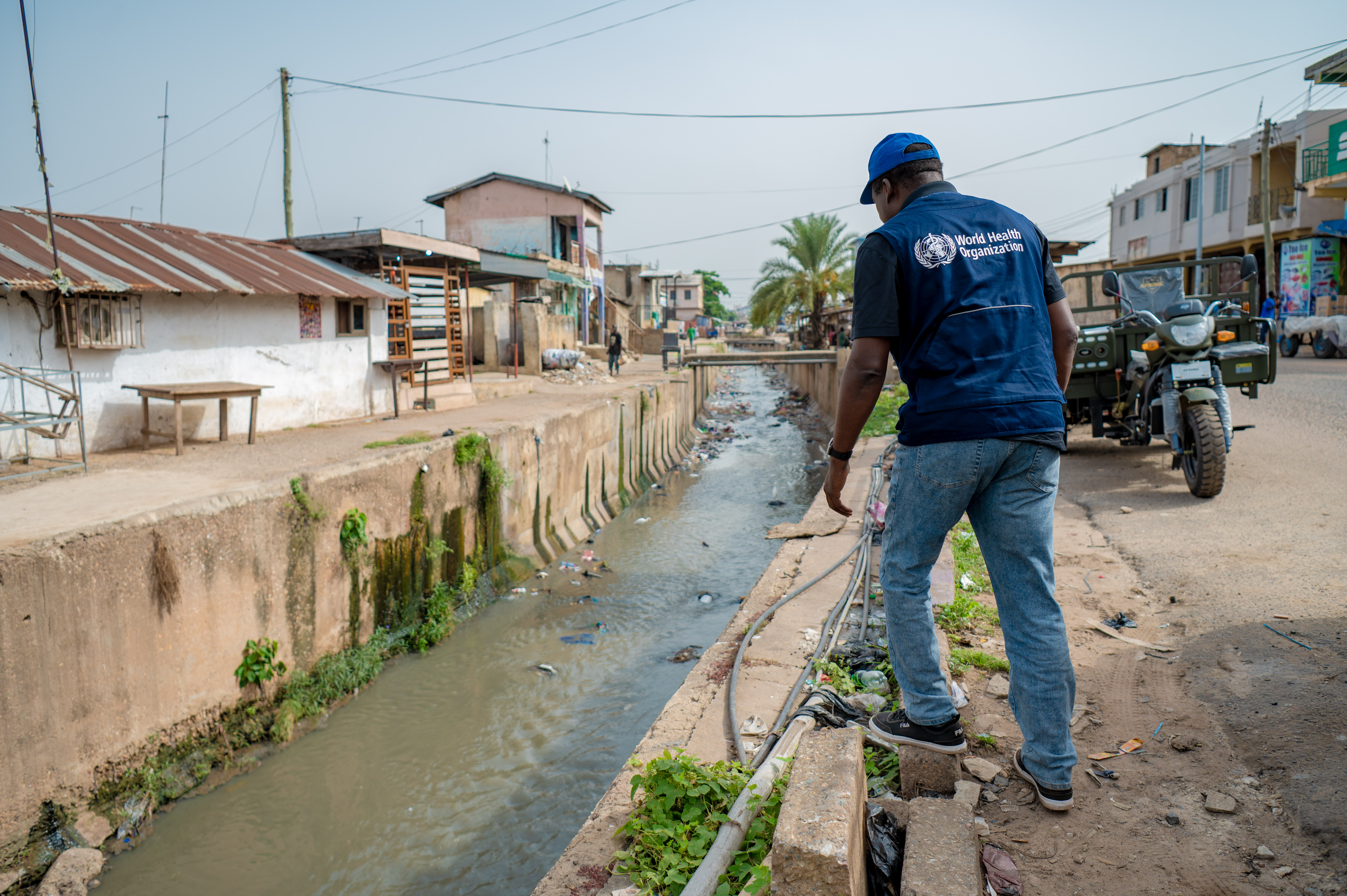
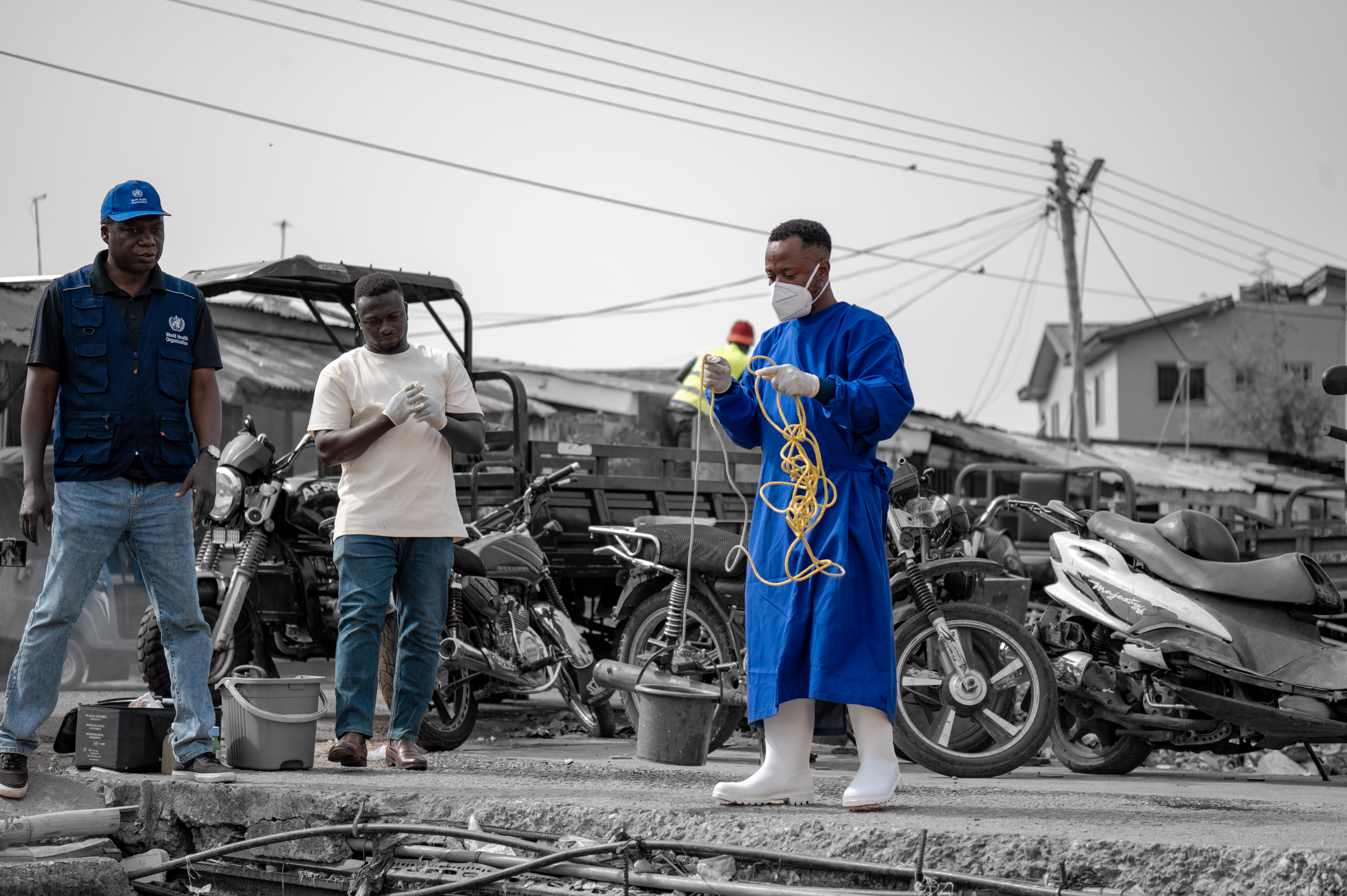
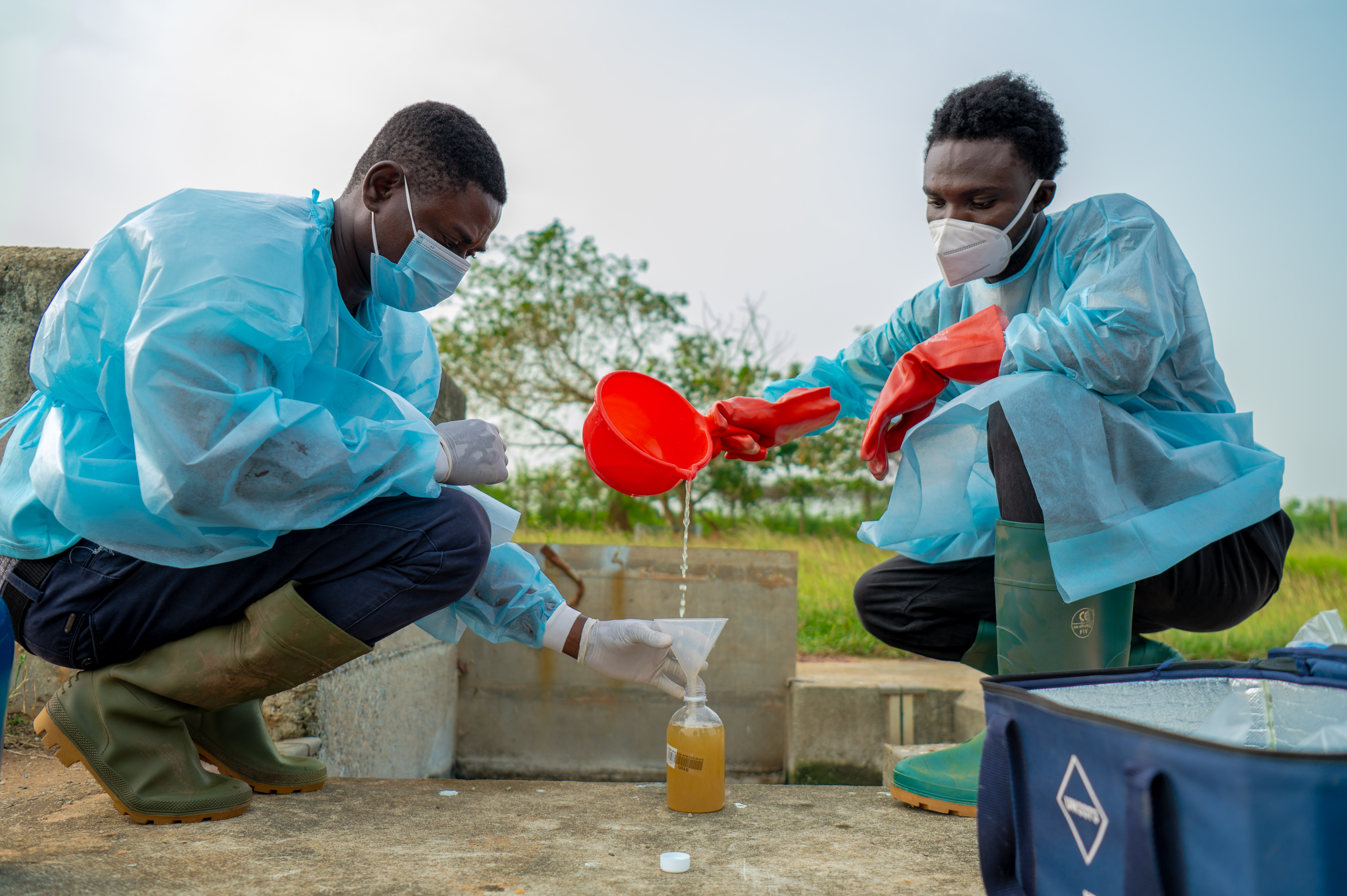
Ghana now has 14 ES sites strategically placed across the country in high-risk and mobile populations. Environmental surveillance officers begin their work as early as 6 a.m., when temperatures are cooler to protect the viability of the poliovirus in samples. They collect wastewater samples from drainage points and sewage systems, often navigating challenging terrain and carrying equipment. Each sample is handled with strict biosafety protocols and transported under reverse cold chain conditions to laboratories such as the Noguchi Memorial Institute for Medical Research (NMIMR) in Accra.
Photo@Abdul-RahimNaaAbdul-Lahie/WHOGhana
"We start our rounds as early as 6 a.m. because temperature affects the virus. Collecting these samples isn’t easy but knowing that our work could stop polio in its tracks keeps us going", noted Abdul-Rahman, an Environmental sample collector.
Photo@Abdul-RahimNaaAbdul-Lahie/WHOGhana
At the Noguchi laboratory, the samples undergo meticulous analysis. Virologists isolate viral RNA to detect wild poliovirus or vaccine-derived strains. NMIMR, a WHO-accredited polio laboratory, serves as a hub not just for Ghana, but for five other West African countries, providing evidence that guides immunization campaigns and outbreak responses. WHO has been a critical supporter of Noguchi, providing laboratory equipment, reagents, technical training, and coordination that ensures testing meets global standards.
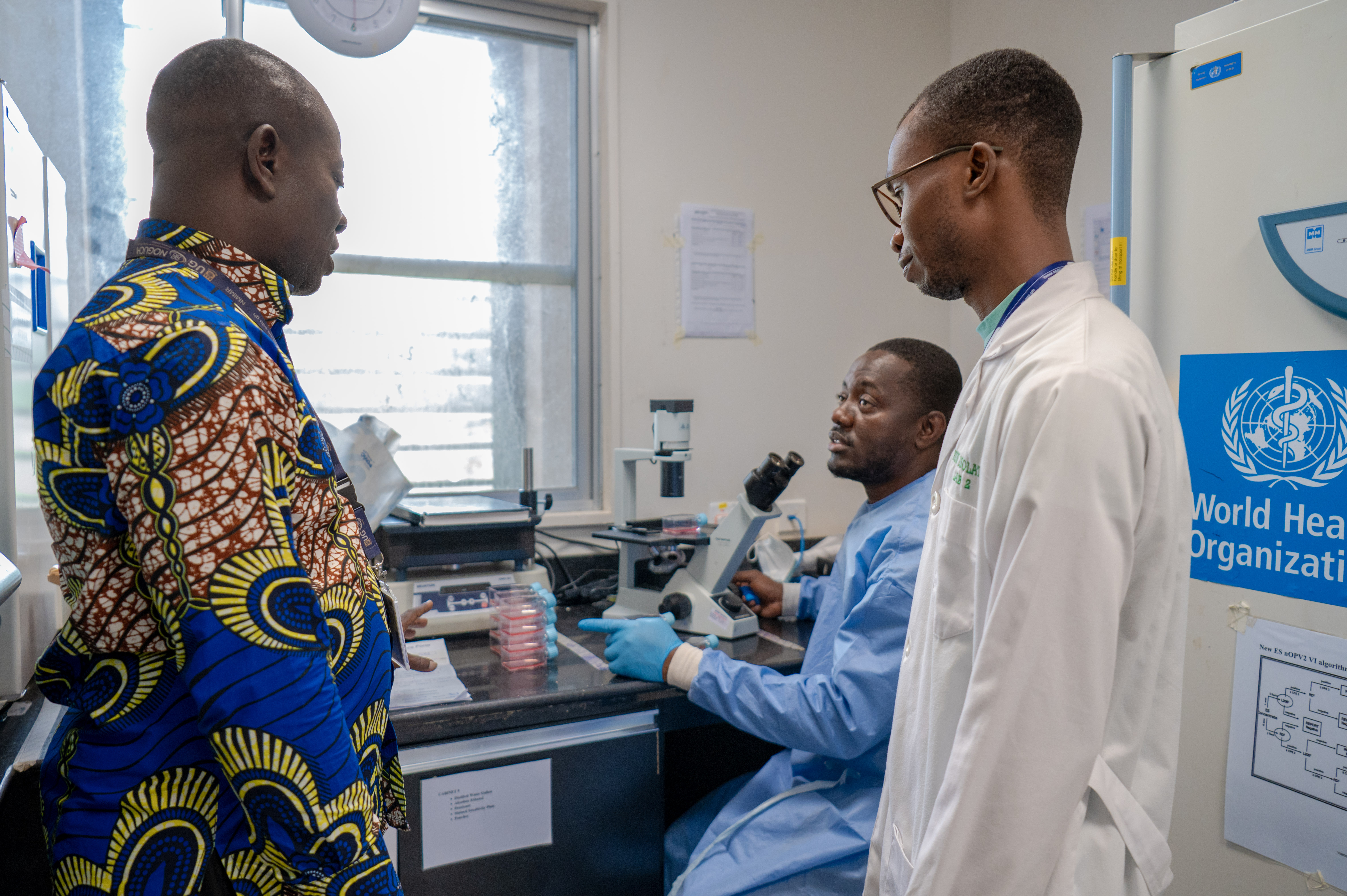
Photo@Abdul-RahimNaaAbdul-Lahie/WHOGhana
"Every sample we analyze is a critical piece of the puzzle. Detecting poliovirus early, even before symptoms appear, allows us to prevent outbreaks and protect thousands of children across Ghana and the region", said Prof. John Odoom, Head of the Polio Lab at NMIMR.
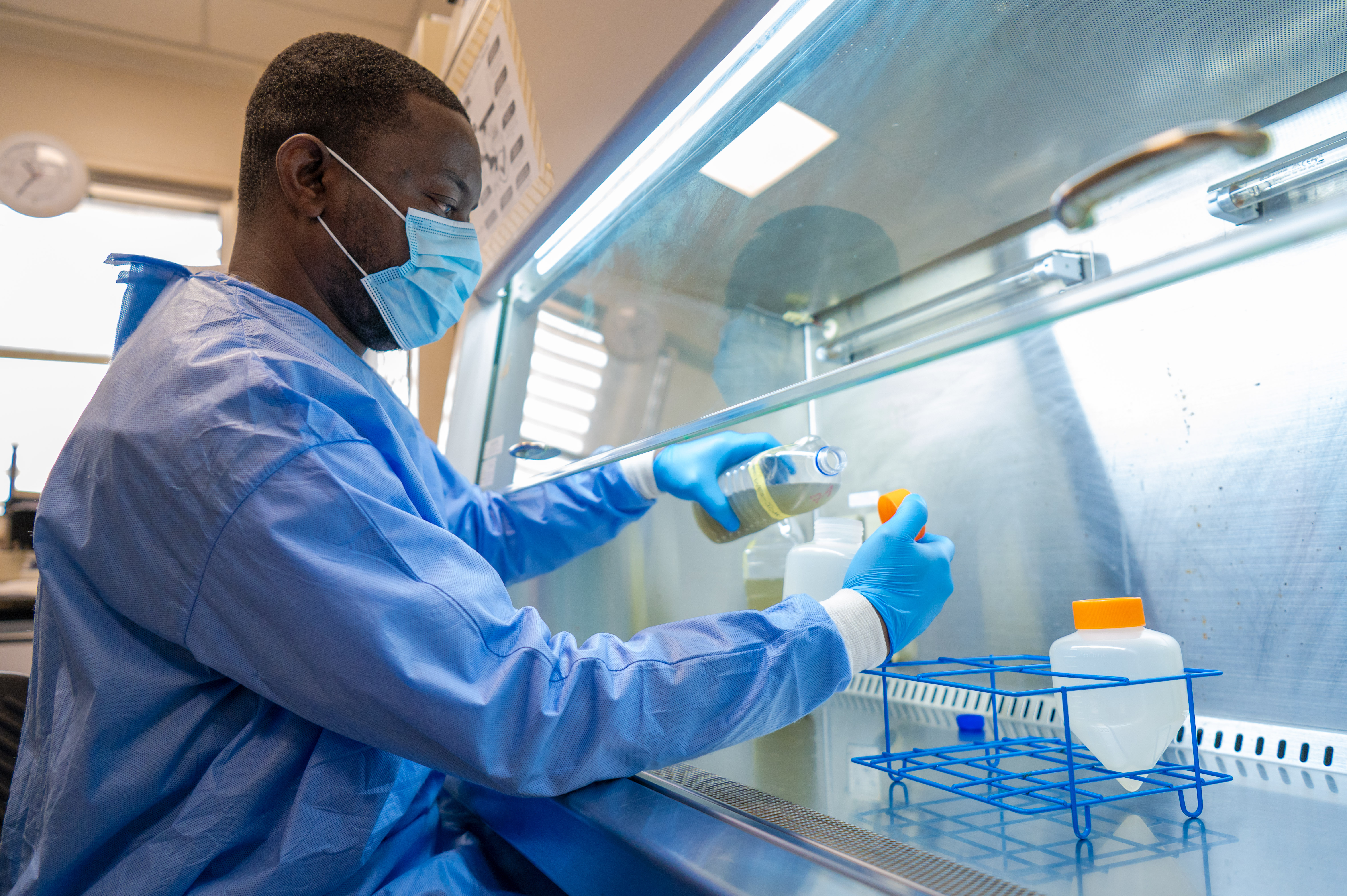
Photo@Abdul-RahimNaaAbdul-Lahie/WHOGhana
Environmental surveillance is sensitive in isolation of polioviruses. In 2024, type 2 vaccine-derived poliovirus was detected in Koforidua (Eastern Region) despite no reported cases of paralysis. This early detection allowed health authorities to launch a nationwide immunization campaign targeting children under five, stopping potential outbreaks before they could escalate.
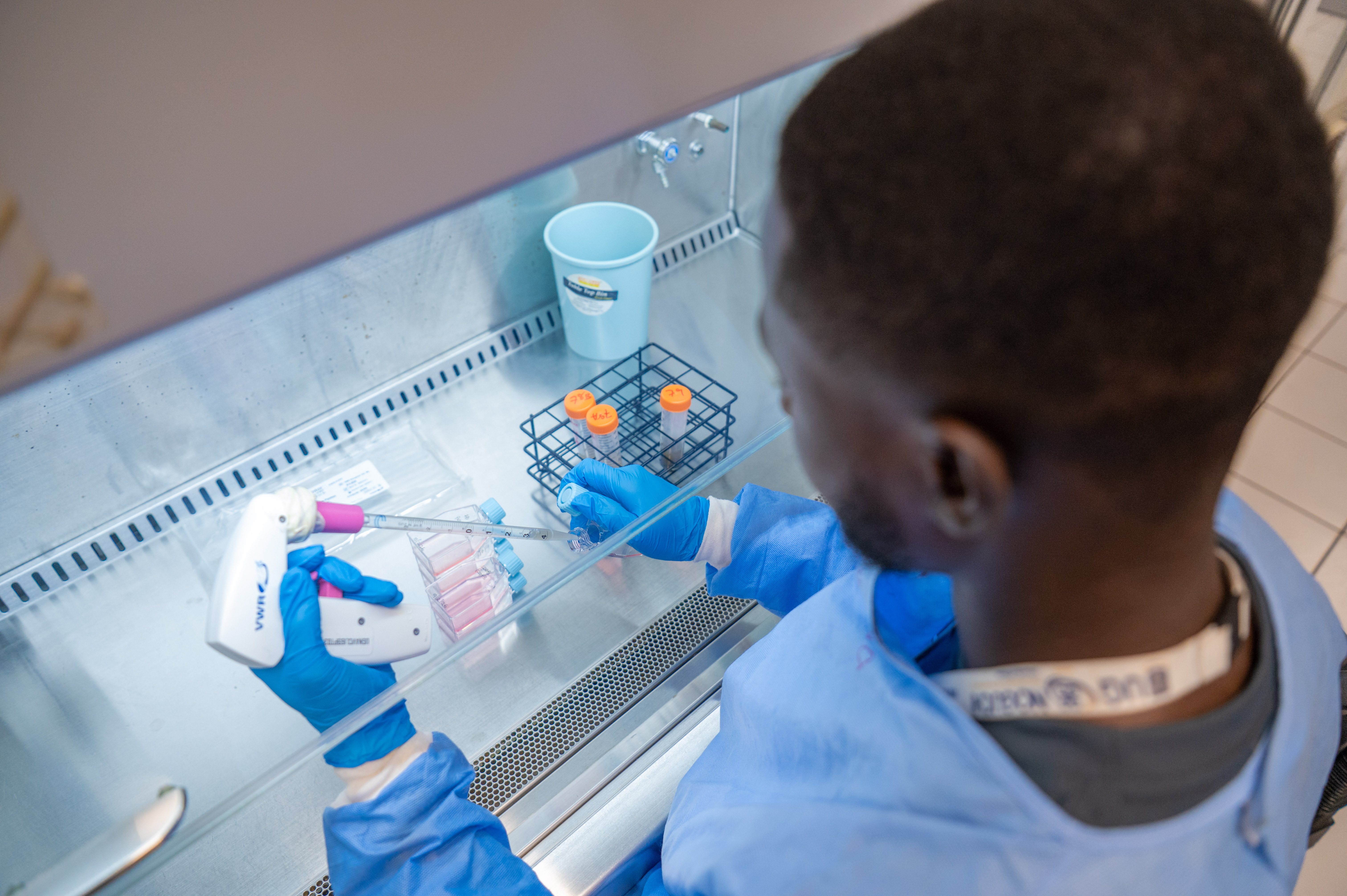
Photo@Abdul-RahimNaaAbdul-Lahie/WHOGhana
Maintaining a robust ES system is not without challenges. High population mobility, gaps in immunization coverage, limited public awareness, and the need for continual training of officers make the work demanding. Environmental surveillance teams often rely on the cooperation of local communities, who allow access to drainage points and sewage systems for sample collection. Without this collaboration, the system would face significant gaps.
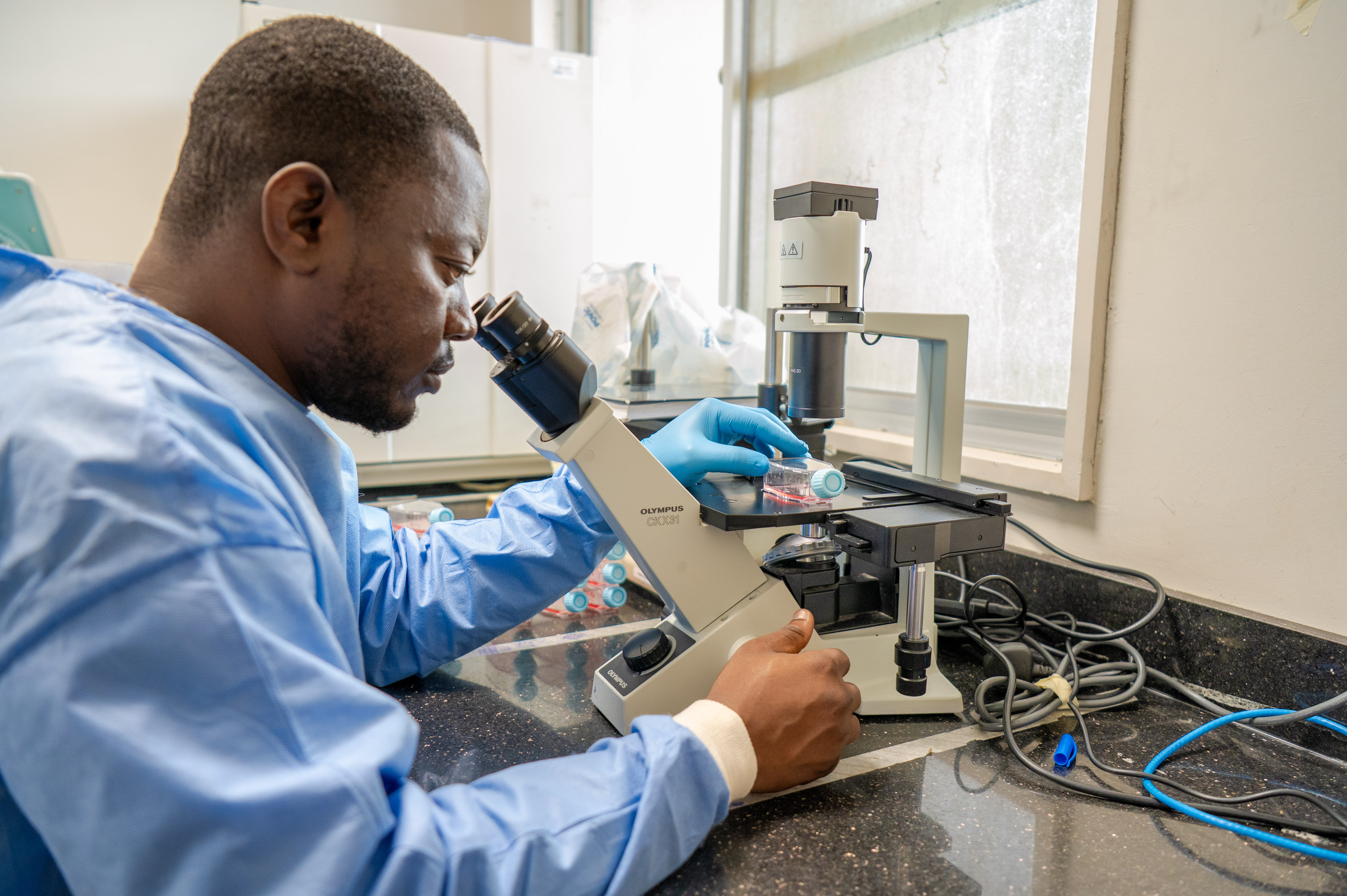
Photo@Abdul-RahimNaaAbdul-Lahie/WHOGhana
Throughout this process, WHO has played a pivotal role, providing technical support, laboratory resources, training, and coordination with Ghana Health Service and other partners. From helping map sampling sites and standardizing testing procedures, to analyzing results and informing policy decisions, WHO ensures Ghana’s surveillance system operates at global standards and responds quickly to emerging threats.
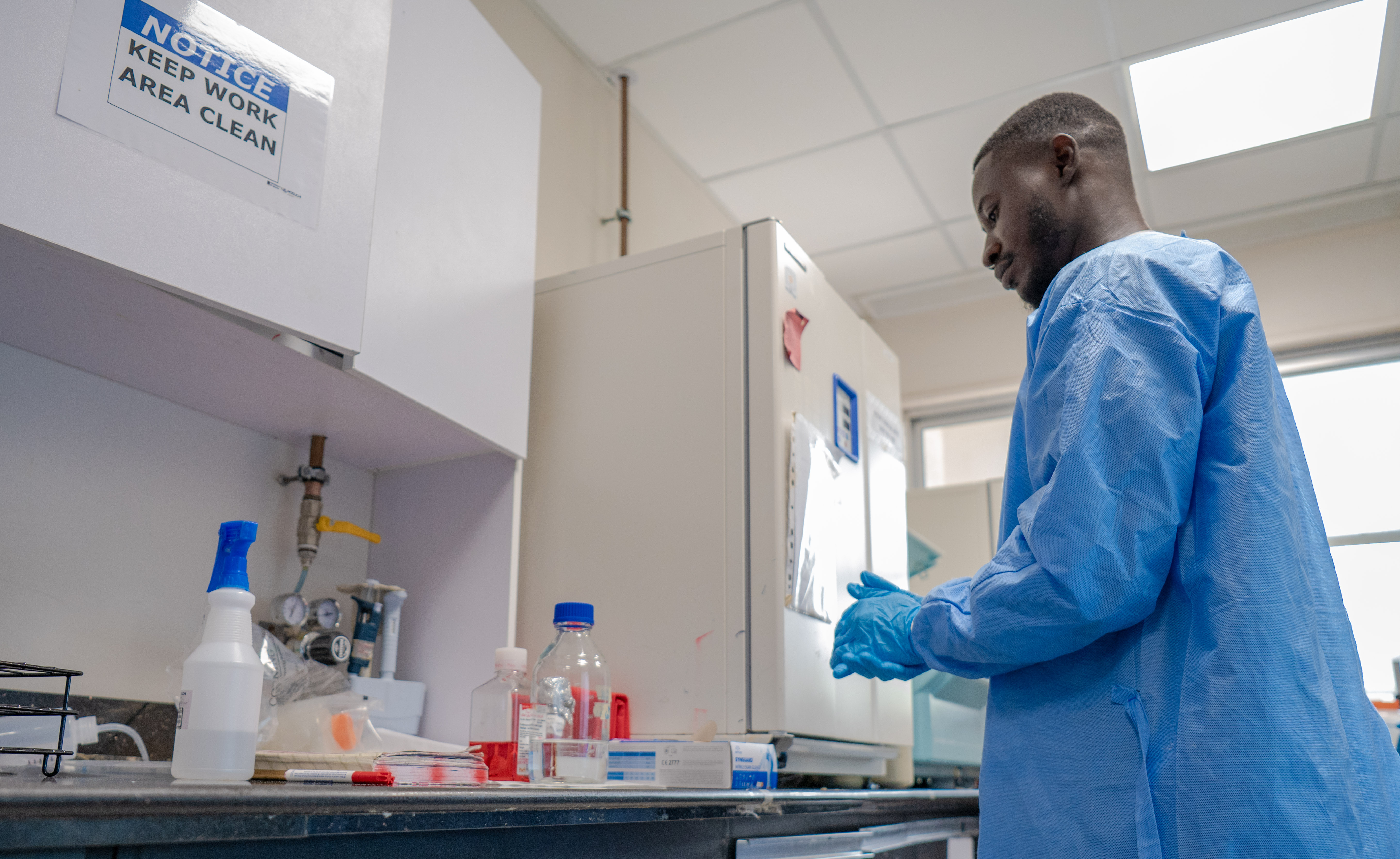
Photo@Abdul-RahimNaaAbdul-Lahie/WHOGhana
"WHO has worked hand in hand with Noguchi and Ghana Health Service to ensure the surveillance system meets global standards. This partnership strengthens our ability to detect poliovirus quickly and respond effectively, safeguarding communities", noted Dr Fiona Braka, WHO Representative in Ghana.
Ghana’s vigilance is also supported by global partners.
Ghana’s vigilance is also supported by global partners.
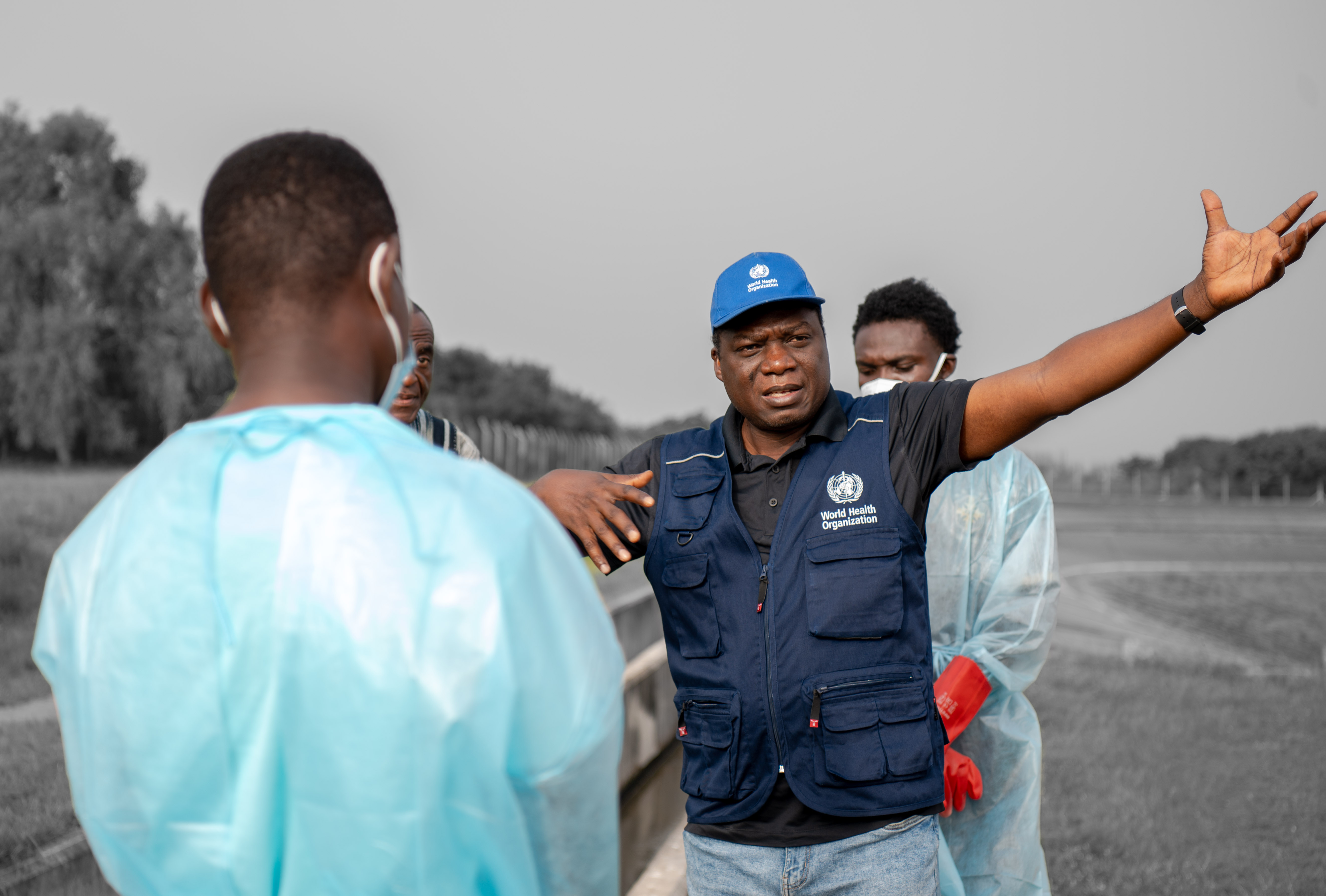
Photo@Abdul-RahimNaaAbdul-Lahie/WHOGhana
"Ghana’s success against polio is remarkable, but vigilance cannot stop. Environmental Surveillance is a silent shield that allows us to detect the virus early and act before it harms any child", said Dr. Dankoli, GPEI Coordinator.
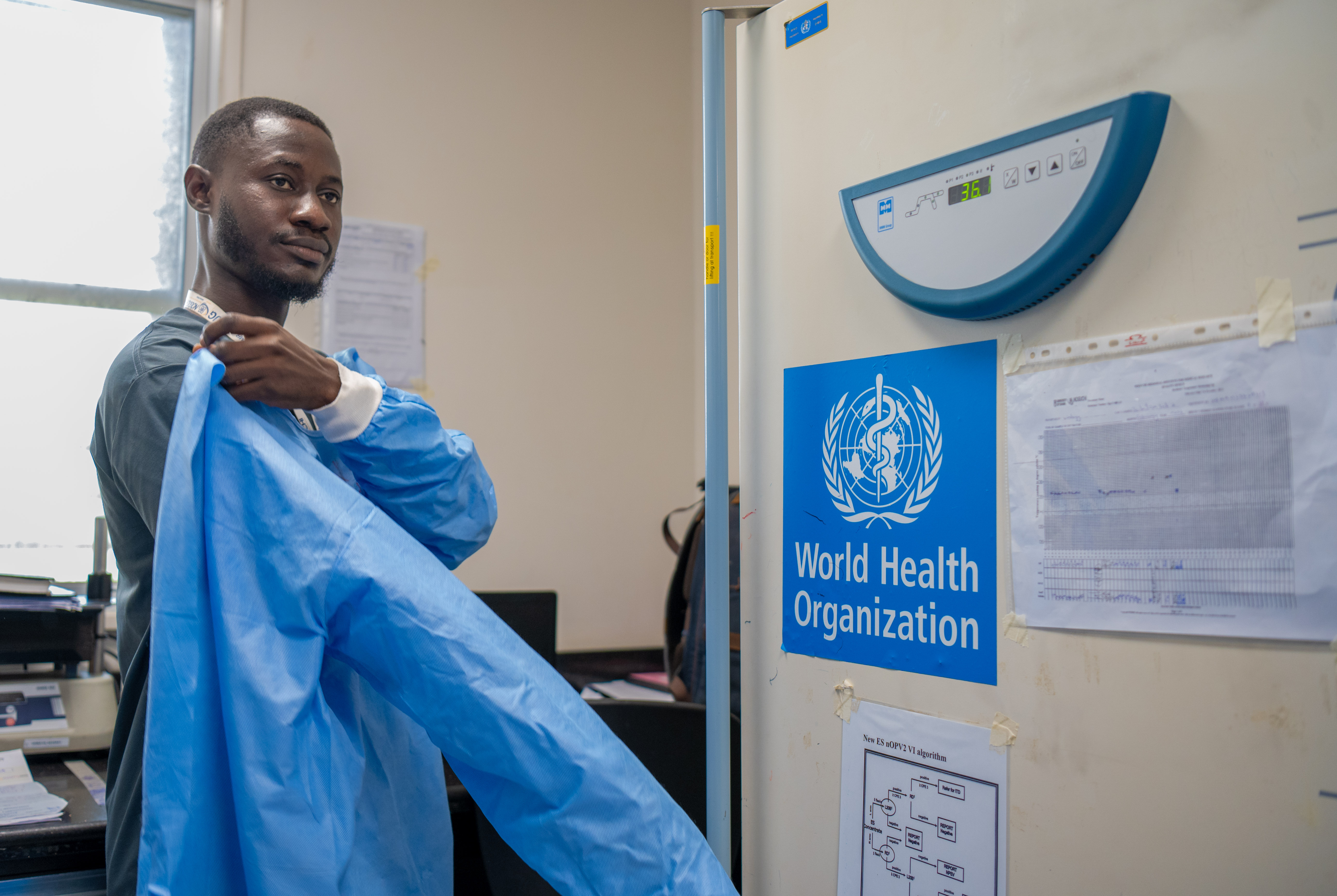
Photo@Abdul-RahimNaaAbdul-Lahie/WHOGhana
Environmental Surveillance is more than a scientific procedure; it is a silent shield for children across Ghana. Each sample collected is a preventive measure, each detection is an opportunity to protect communities, and each coordinated response a safeguard for the next generation. It is this invisible vigilance that allows Ghana to maintain its polio-free status while preparing for the unexpected.
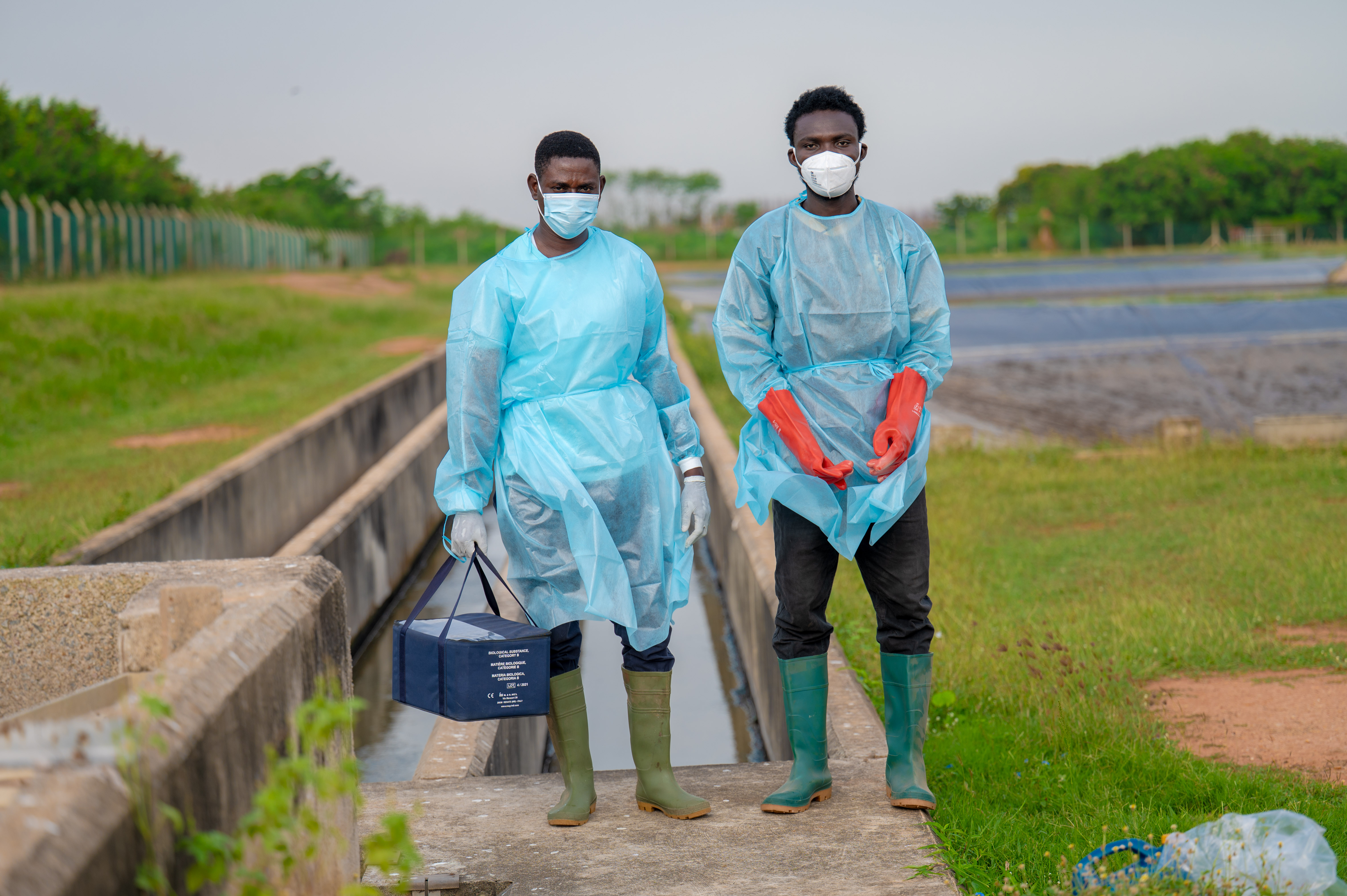
Photo@Abdul-RahimNaaAbdul-Lahie/WHOGhana
In public health, silence is never harmless. Polio may not dominate headlines, but the virus remains a threat. Through Environmental Surveillance, Ghana stays one step ahead, ensuring that children live free from paralysis, communities remain protected, and the gains of decades-long polio eradication efforts are preserved.
For Additional Information or to Request Interviews, Please contact:
Abdul-Lahie Abdul-Rahim Naa
Communications Officer
WHO Ghana Country Office
Email: abdullahiea@who.int
Tel: +233 20 196 2393
For Additional Information or to Request Interviews, Please contact:
Abdul-Lahie Abdul-Rahim Naa
Communications Officer
WHO Ghana Country Office
Email: abdullahiea@who.int
Tel: +233 20 196 2393